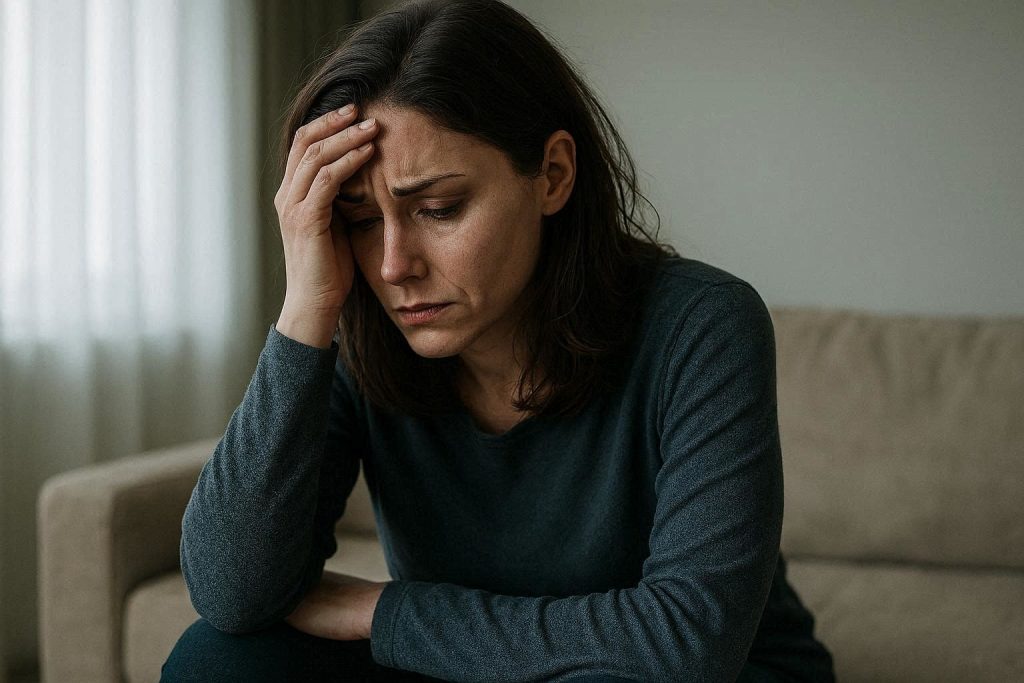
Understanding Depression: Signs, Symptoms, and When to Seek Help
Depression is one of the most common mental health conditions, yet it remains widely misunderstood. It’s not simply feeling sad or having a bad day – it’s a serious medical condition that affects how you feel, think, and handle daily activities.
Understanding what depression looks like and recognizing when professional support is needed can be the first step toward recovery and improved wellbeing.
What Is Depression?
Depression, also known as major depressive disorder or clinical depression, is a mood disorder that causes persistent feelings of sadness and loss of interest. It affects your emotions, thoughts, behaviour, and physical health.
Depression is not:
- A sign of weakness or personal failure
- Something you can simply “snap out of”
- A normal part of life or ageing
- The same as ordinary sadness or grief
Depression is a legitimate medical condition that responds to treatment. With proper support, most people with depression can recover and lead fulfilling lives.
Common Signs and Symptoms
Depression affects people differently, but common symptoms include:
Emotional Symptoms
- Persistent sadness, emptiness, or feeling hopeless
- Loss of interest or pleasure in activities you once enjoyed
- Feelings of worthlessness or excessive guilt
- Irritability or frustration, even over small matters
- Anxiety or restlessness
- Feeling emotionally numb or disconnected
Cognitive Symptoms
- Difficulty concentrating or making decisions
- Problems with memory
- Negative thinking patterns
- Recurrent thoughts of death or suicide
- Difficulty seeing a positive future
Physical Symptoms
- Changes in appetite or weight (increase or decrease)
- Sleep disturbances (insomnia or sleeping too much)
- Fatigue and lack of energy
- Physical aches and pains without clear cause
- Slowed movement or speech
- Changes in libido
Behavioural Symptoms
- Withdrawing from social activities
- Neglecting responsibilities
- Reduced productivity at work or home
- Increased use of alcohol or substances
- Self-isolation
To be diagnosed with depression, symptoms must be present most of the day, nearly every day, for at least two weeks and must cause significant distress or impairment in daily functioning.
Different Types of Depression
Major Depressive Disorder
The most common form, characterized by persistent low mood and loss of interest in activities for at least two weeks.
Persistent Depressive Disorder (Dysthymia)
A chronic form of depression lasting for two years or longer, with symptoms that may be less severe but more enduring.
Postnatal Depression
Depression that occurs after childbirth, affecting both mothers and fathers. It’s more severe and longer-lasting than “baby blues.”
Seasonal Affective Disorder (SAD)
Depression that occurs at specific times of year, typically during winter months when there’s less natural sunlight.
Situational Depression
Depression triggered by specific life events such as bereavement, job loss, divorce, or trauma.
What Causes Depression?
Depression doesn’t have a single cause. It typically results from a combination of factors:
Biological Factors
- Chemical imbalances in the brain
- Genetic predisposition (family history)
- Hormonal changes
- Chronic illness or pain
Psychological Factors
- Negative thinking patterns
- Low self-esteem
- Past trauma or abuse
- Perfectionism or high self-criticism
Environmental Factors
- Stressful life events
- Loss or bereavement
- Relationship difficulties
- Financial problems
- Work stress or unemployment
- Social isolation
Understanding that depression has multiple causes helps reduce stigma and self-blame. Depression is not your fault.
The Impact of Untreated Depression
When depression goes untreated, it can significantly affect all areas of life:
Personal Wellbeing
- Worsening mental and physical health
- Increased risk of other mental health conditions
- Development of harmful coping mechanisms
- Increased risk of suicide
Relationships
- Withdrawal from loved ones
- Difficulty maintaining friendships
- Strain on romantic relationships
- Impact on parenting abilities
Work and Daily Life
- Reduced productivity and performance
- Difficulty fulfilling responsibilities
- Increased absenteeism
- Risk of job loss
The good news is that depression is highly treatable, and seeking help early can prevent these impacts from becoming severe.
When to Seek Professional Help
You should consider seeking professional support if:
- Symptoms persist for more than two weeks
- Depression is interfering with daily activities
- You’re experiencing thoughts of self-harm or suicide
- Relationships are suffering
- You’re using alcohol or substances to cope
- Physical health is declining
- You feel unable to cope with daily life
If you’re having thoughts of suicide or self-harm, seek immediate help:
- Call 999 in an emergency
- Contact Samaritans on 116 123 (available 24/7)
- Text SHOUT to 85258 for crisis support
- Visit your local A&E department
Treatment Options for Depression
Depression is treatable, and most people respond well to treatment. Options include:
Counselling and Psychotherapy
Talking therapies help you understand and manage depression:
- Cognitive Behavioural Therapy (CBT): Helps identify and change negative thought patterns
- Person-Centred Counselling: Provides a supportive space to explore feelings
- Interpersonal Therapy: Focuses on improving relationships and communication
- Psychodynamic Therapy: Explores how past experiences affect current feelings
Medication
Antidepressants can help correct chemical imbalances in the brain. They’re often most effective when combined with therapy.
Lifestyle Changes
Supporting your treatment with healthy habits:
- Regular physical exercise
- Maintaining sleep routines
- Balanced nutrition
- Reducing alcohol consumption
- Social connection
- Stress management techniques
Support Networks
- Support groups for people with depression
- Peer support programmes
- Online communities
- Family and friend support
Self-Help Strategies
While professional treatment is important, these strategies can support your recovery:
Break Tasks Into Small Steps
When everything feels overwhelming, focus on one small task at a time. Even getting dressed or making a cup of tea is an achievement.
Maintain Routines
Try to keep regular sleep and wake times, even when motivation is low. Structure helps when everything feels chaotic.
Stay Connected
Even when you want to withdraw, maintain contact with supportive people. Let them know you’re struggling.
Be Kind to Yourself
Depression makes you more self-critical. Notice negative self-talk and challenge it. Treat yourself with the compassion you’d show a friend.
Limit Stressors
Where possible, reduce demands on yourself. It’s okay to say no or ask for help.
Engage in Small Pleasures
Even if you don’t feel like it, try engaging in activities that used to bring pleasure. Sometimes action precedes motivation.
Supporting Someone With Depression
If someone you care about is experiencing depression:
- Listen without judgment: Sometimes they just need to be heard
- Avoid minimizing: Don’t say “cheer up” or “think positive”
- Offer practical help: Help with specific tasks or responsibilities
- Encourage professional support: Offer to help them find a counsellor or GP
- Be patient: Recovery takes time and isn’t linear
- Look after yourself too: Supporting someone with depression can be draining
The Path to Recovery
Recovery from depression is possible. It may not be quick or linear – there will be good days and difficult ones – but with appropriate support, most people recover and go on to live fulfilling lives.
Key points to remember:
- Depression is not your fault
- Seeking help is a sign of strength, not weakness
- Treatment works for the vast majority of people
- Recovery is possible, even if it doesn’t feel that way now
- You don’t have to face this alone
Taking the first step to seek help can feel daunting, but it’s the most important step toward feeling better.